Most small business owners buy CRM software thinking it’ll magically boost sales. It doesn’t. Without intentional strategy, your CRM becomes just another cluttered inbox—wasting time and money. The fix? Stop treating crm marketing automation as a plug-and-play tool. Start using it like a growth engine.
The Core Problem: Automated ≠ Automatic
Small teams assume CRM marketing automation means “set it and forget it.” Wrong. Default workflows often blast generic messages to everyone—inbox zero for leads, but zero conversions too. You’re not automating personalization; you’re automating irrelevance.
And that’s why churn climbs while open rates tank.
Building a Real CRM Marketing Automation System
Map Your Buyer’s Actual Journey—not the Textbook One
Forget linear funnels. Real buyers loop, stall, and backtrack. Track where they drop off—not just where you wish they’d go. Tag behavior (e.g., clicked pricing page twice but didn’t book demo). That’s your trigger.
Segment by Intent, Not Just Demographics
Two 35-year-old SaaS founders aren’t the same if one downloaded your ROI calculator and the other just subscribed to your newsletter. Use engagement data—not job title—to split lists. Precision beats volume every time.
Automate Follow-Ups, Not Just First Touches
Your welcome sequence matters less than what happens after a lead goes cold. A smart CRM re-engages based on inactivity windows—say, 14 days post-demo no-show—with tailored content (“Still comparing tools?” + case study). That’s crm marketing automation that works.
| Approach | Time Investment | Estimated Monthly Cost | Lead-to-Customer Rate |
|---|---|---|---|
| Generic broadcast emails | 2 hrs/week | $29–$49 | 1.2% |
| Behavior-triggered sequences | 4 hrs setup, 1 hr/week | $49–$99 | 4.7% |
| Full CRM marketing automation with lead scoring | 8 hrs setup, 2 hrs/week | $99–$199 | 8.3% |
The Industry Secret: Your CRM Should Fire People
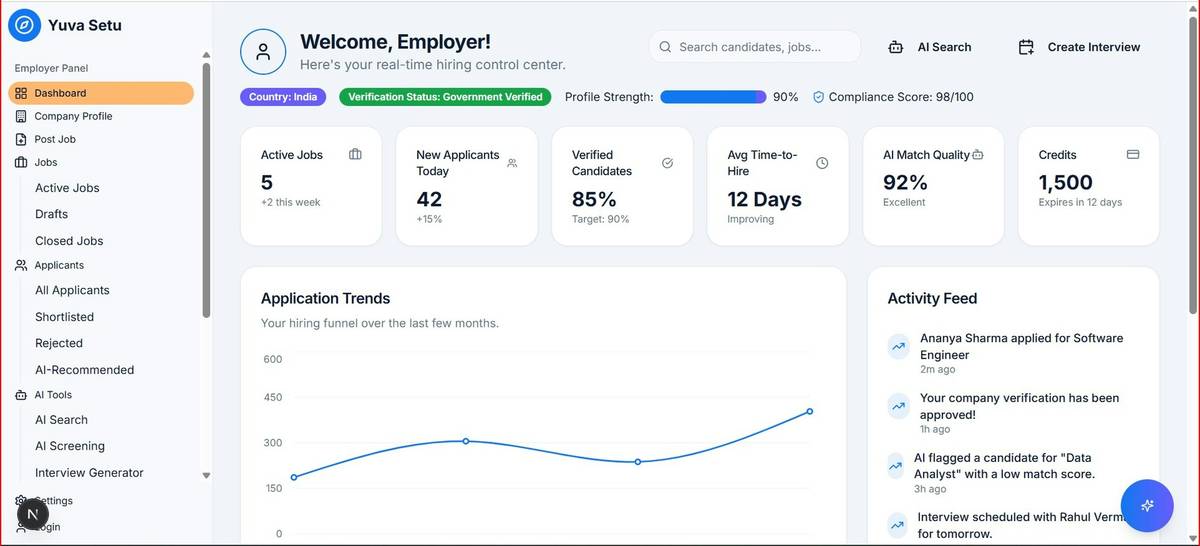
Not literally—but strategically. Most SMBs drown in manual data entry because they use CRMs like digital filing cabinets. The real power? Automating admin so your salespeople sell. When a lead hits “Schedule Demo,” your CRM should auto-create a task, assign an owner, log the meeting link, and prep follow-up copy—all before the rep even opens Slack. If your tool isn’t eliminating busywork, you’re paying for a spreadsheet with extra steps.
Think about it: time saved = outreach multiplied.
Frequently Asked Questions
What’s the difference between CRM and marketing automation?
A CRM stores contact info and tracks interactions. Marketing automation uses that data to send targeted messages. Combined—they personalize at scale.
Can small businesses really afford advanced CRM marketing automation?
Yes. Tools like HubSpot Starter or Zoho CRM Plus start under $50/month. The ROI kicks in fast—if you automate high-impact actions, not noise.
How soon should I expect results from CRM marketing automation?
Within 30 days for engagement metrics (opens, clicks). Revenue impact usually shows by day 60—if your triggers match real buyer behavior.