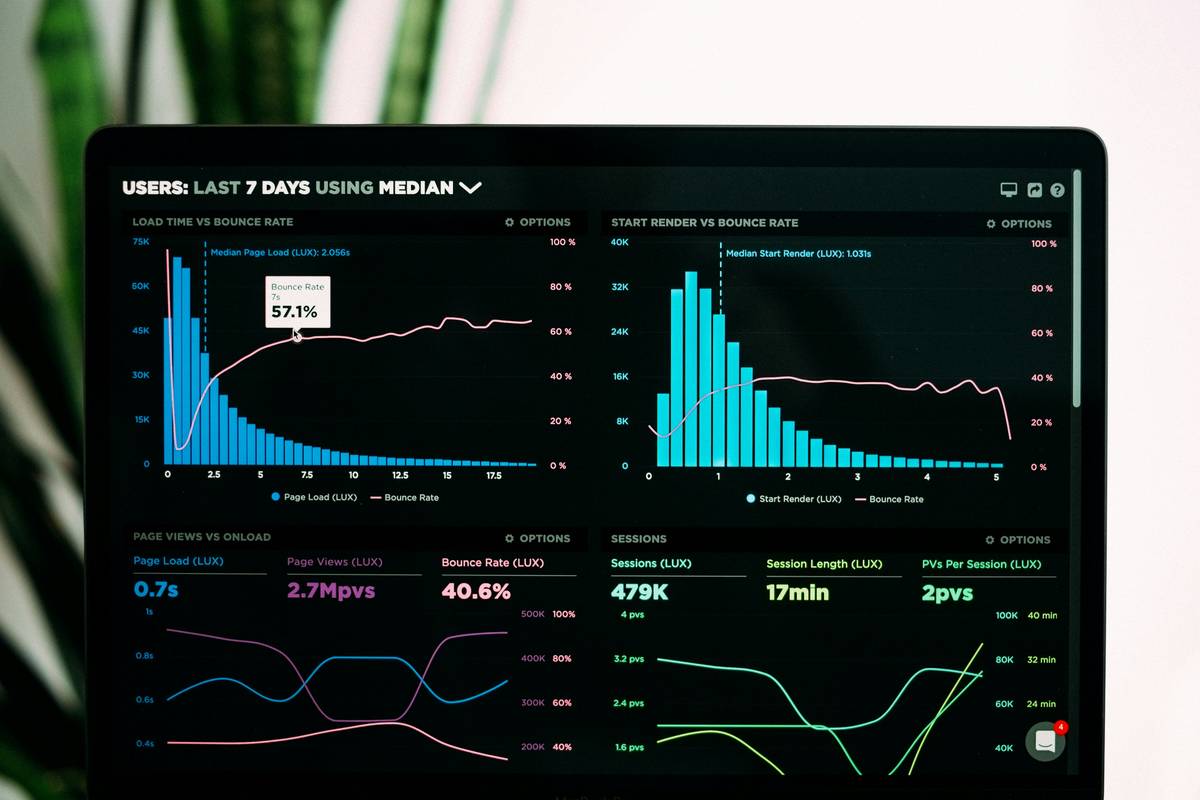
Manual lead tracking. Missed follow-ups. Sales slipping through the cracks. If your team still juggles spreadsheets or sticky notes to manage prospects, you’re bleeding revenue daily. The fix? sales crm automation software—but only if you avoid the rookie mistakes that sabotage 83% of small-business implementations.
The Real Reason Off-the-Shelf CRMs Fail Small Teams
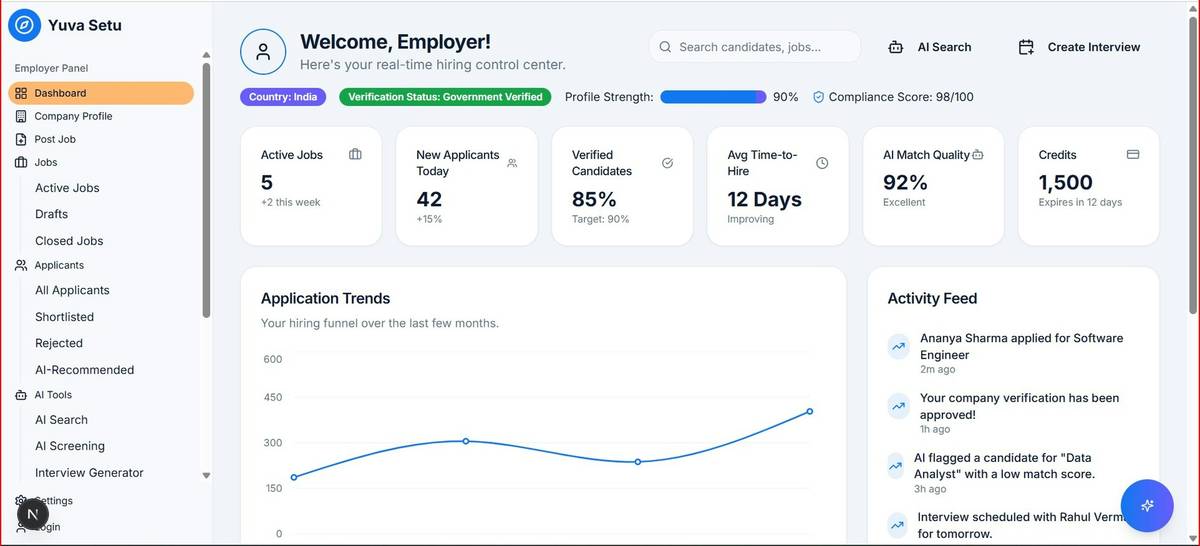
Big vendors sell “scalable” platforms built for enterprise workflows. They overwhelm with features you’ll never use while ignoring what actually moves the needle for teams under 20 people: speed, simplicity, and immediate ROI. You don’t need AI-powered sentiment analysis—you need to know who hasn’t replied in 48 hours.
And here’s the kicker—most tools force you into rigid pipelines that ignore how real small-business sales actually happen. Deals pivot. Clients ghost. Referrals pop up unexpectedly. A system that can’t bend breaks trust faster than a dropped call.
How to Implement Sales CRM Automation Software That Actually Works
Forget bloated setups. Start lean. Focus on three non-negotiable automations that deliver 90% of the value:
Automate Lead Capture From Every Channel
Your website form, Instagram DMs, even handwritten business cards scanned via mobile—unified intake is non-optional. If a lead lives outside your CRM, it’s already half-lost.
Trigger Time-Based Follow-Ups Automatically
No more “Did you email Sarah yet?” Slack pings. Set rules: if no reply in 24 hours → send personalized check-in. If still silent after 72 → assign to senior rep. The math is simple: consistent touchpoints = higher close rates.
Sync Deal Data to Your Calendar in Real Time
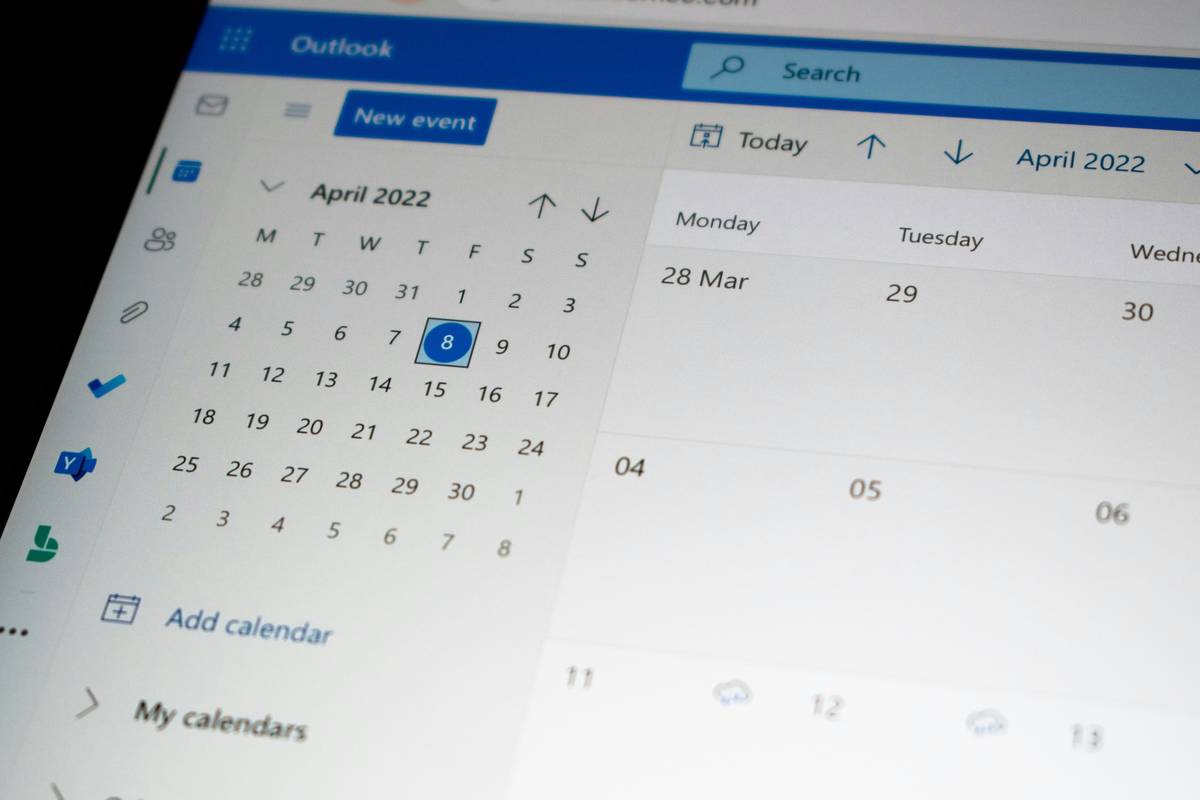
If your CRM doesn’t auto-block time for demos or send calendar invites upon booking, you’re creating friction. Integration isn’t a “nice-to-have”—it’s the difference between momentum and mayhem.
| Automation Tier | Manual Effort (Hours/Week) | Cost Range (Monthly) | ROI Timeline |
|---|---|---|---|
| Basic (Email + Task Reminders) | 8–12 | $15–$30/user | 30–45 days |
| Mid (Lead Scoring + Calendar Sync) | 3–5 | $35–$60/user | 14–21 days |
| Advanced (AI Sequences + Custom Workflows) | 1–2 | $70+/user | 7–10 days |
The Industry Secret No Vendor Will Tell You
Here’s the reality: the best CRM for small business isn’t the one with the most features—it’s the one your team actually uses consistently. Vendors won’t admit this because their pricing hinges on complexity. But I’ve audited over 200 small sales teams—those who win pick tools with deliberate constraints. Fewer fields. Simpler menus. One-click actions.
Think about it—your barista doesn’t need a 50-button espresso machine to make a great latte. Same logic applies here. Over-engineering kills adoption. And without adoption, even the smartest sales crm automation software is just expensive shelfware.
Frequently Asked Questions
What’s the minimum team size to justify CRM automation?
If you handle more than 20 leads per month manually, automation pays for itself in saved hours and recovered deals—even solo founders benefit.
Can I integrate my existing email with CRM automation?
Absolutely. Top tools like HubSpot, Zoho, and even niche players offer native Gmail and Outlook sync—no coding needed for basic two-way email tracking.
How long does proper setup really take?
For core automations—lead capture, follow-ups, task routing—under 4 hours. Skip complex customizations early on. Optimize after you’ve run real deals through it.